If you scan the internet for advice on launching a web hosting company, the checklists are almost entirely technical. They tell you which server configurations to choose, how to harden your Linux kernel, which automated billing platform to deploy, and how to route your nameservers.
But if you look at the hosting landscape through a purely technical lens, you miss the most critical business reality: Server compute has become a commodity.
Anyone with a credit card can spin up a high-performance cloud array or lease an enterprise reseller package. The underlying hardware—the NVMe drives, the high-frequency AMD EPYC processors, the redundant network lines—is virtually identical from one provider to the next.
If the underlying product is a commodity, what are customers actually paying for? They are paying for risk mitigation, reliability, and trust. And how do human beings measure trust online before they buy?
They look at your branding.
In the infrastructure world, looking cheap is the most expensive mistake a startup can make. It forces you into a brutal, low-margin price war where you fight for $2-a-month clients who will open five support tickets a week.
Let’s dive into the psychology of web hosting design, why generic templates destroy your conversion rates, and how premium presentation directly dictates your profit margins.
1. The Core Trap: The Generic Template Syndrome
We’ve all seen this website. You search for a new web host or domain registrar, and you land on a page featuring a giant, uncompressed stock photograph of a grinning model wearing a corporate headset. The text reads: “Fast, Reliable, Secure Hosting Solutions.” The color scheme is a generic, unedited shade of Bootstrap blue. The logo looks like it was auto-generated in thirty seconds using free clip art.
To a server administrator, this site might seem “fine” because the pricing tables look clean and the links work.
To a premium buyer—like a software developer, an e-commerce owner, or a corporate digital agency—this site screams hazard.
The Immediate Perception: If a web host cannot bother to invest a few hundred dollars into their own digital storefront, how can I trust them to invest thousands into enterprise security firewalls, off-site backup arrays, and 24/7 technical operations?
When your website looks cheap, users assume your infrastructure is cheap. They assume you are a one-person reseller operation running out of a bedroom, and that if a server crashes at 2:00 AM on a Tuesday, no one will be awake to fix it.
2. The Psychology of the Infrastructure Buyer
A web hosting purchase is fundamentally different from buying a pair of sneakers or subscribing to a streaming service. It is an operational dependency.
When a business moves its website or application to your network, they are handing you the keys to their revenue stream. If your network drops or your database crawls, they lose money, their Google rankings tank, and their reputation suffers.
Because the stakes are incredibly high, hosting buyers are highly skeptical and analytical. They don’t just read your marketing copy; they subconsciously evaluate your entire UI/UX layout.
| Design Attribute | Cheap Hosting Perception | Premium Hosting Perception |
| Typography | Default Arial/Roboto, erratic sizing, poor line height. | Intentional font pairings, highly legible, clean hierarchy. |
| Cohesion | Main site matches a template; billing panel is unstyled. | Seamless transition from landing page to the client area. |
| Imagery | Generic corporate stock photos, clip art icons. | Custom vector graphics, clean UI illustrations, real team shots. |
| Performance | Sluggish load times caused by unoptimized builders. | Near-instantaneous rendering, clean HTML structures. |
If a customer opens your page and encounters broken visual scaling on their smartphone, misplaced buttons, or inconsistent colors, their brain instantly registers a red flag. Poor user interface design signals bad management, technical laziness, and structural instability.
3. The "Frankenstein" Client Experience
The ultimate brand killer for a new web hosting company occurs at the checkout counter. This is where most startups fall victim to the “Frankenstein” experience.
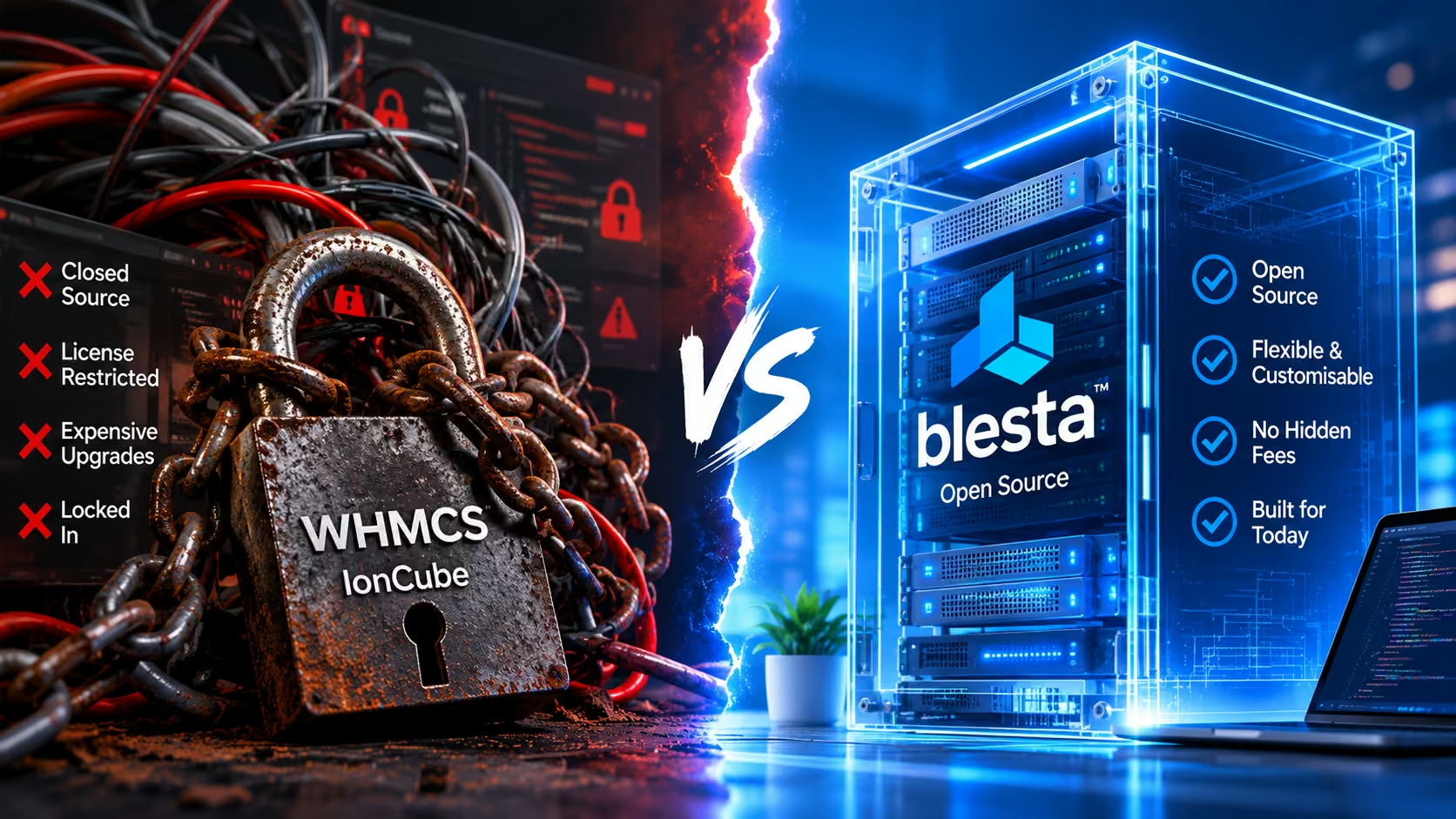
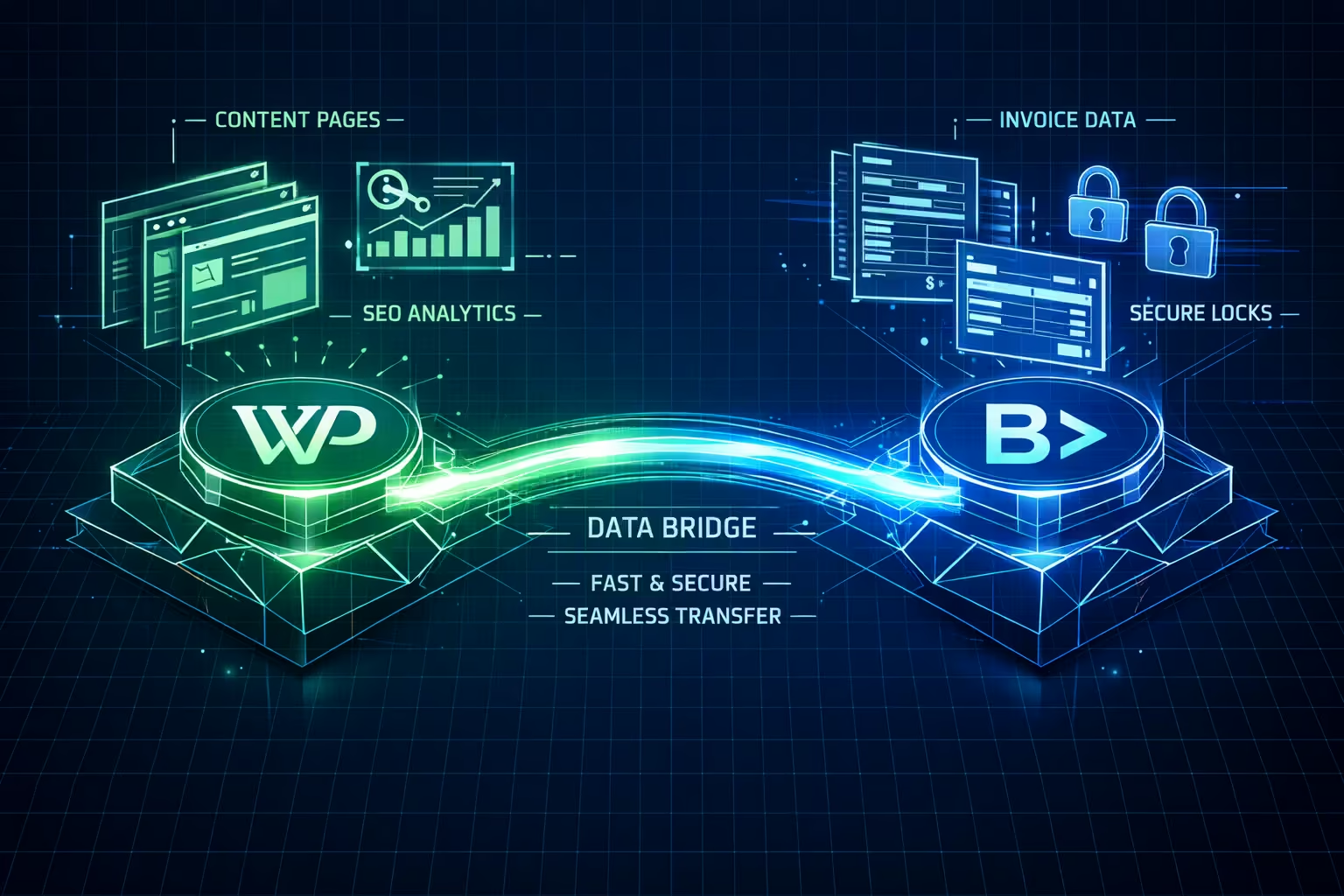
You build a beautiful homepage using WordPress or a modern flat HTML template. The fonts are crisp, the branding is on point, and the user is highly engaged. They click the “Order Now” button on your pricing grid, and the browser suddenly redirects them to a completely unstyled, default automation panel—like an out-of-the-box Blesta or WHMCS configuration.
The layout shifts abruptly. The navigation header changes or completely disappears. The fonts look entirely different. The corporate logo shrinks into the upper left corner.
To the consumer, it feels like they have just walked out of a secure, premium banking hall and stepped into an unverified, back-alley payment booth.
This visual disconnect shatters the illusion of scale. It explicitly tells the buyer: “We are just running standard billing software under the hood, and we don’t have the technical expertise or resources to integrate our systems seamlessly.” This is the exact moment where checkout abandonment sky-rockets.
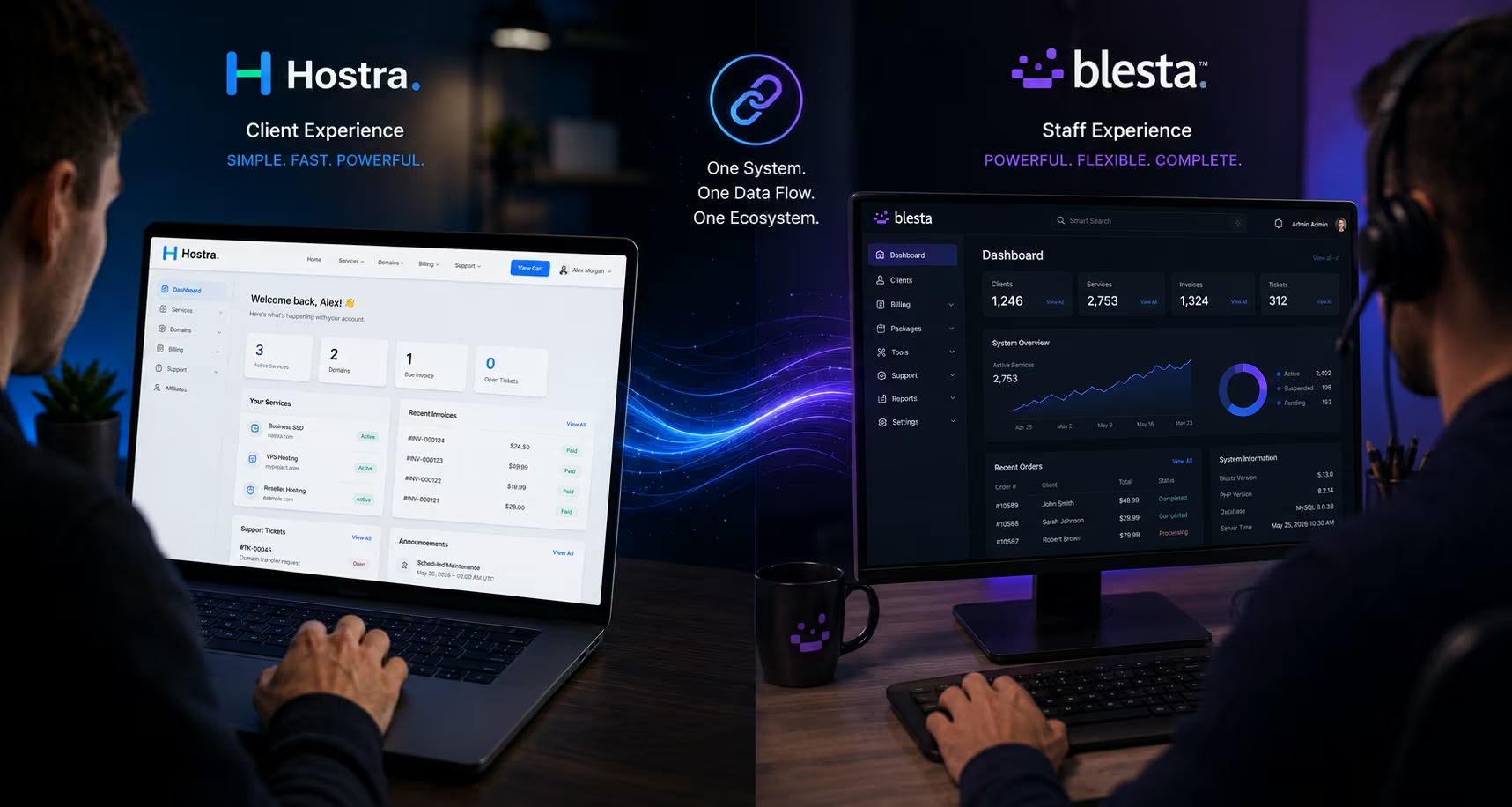
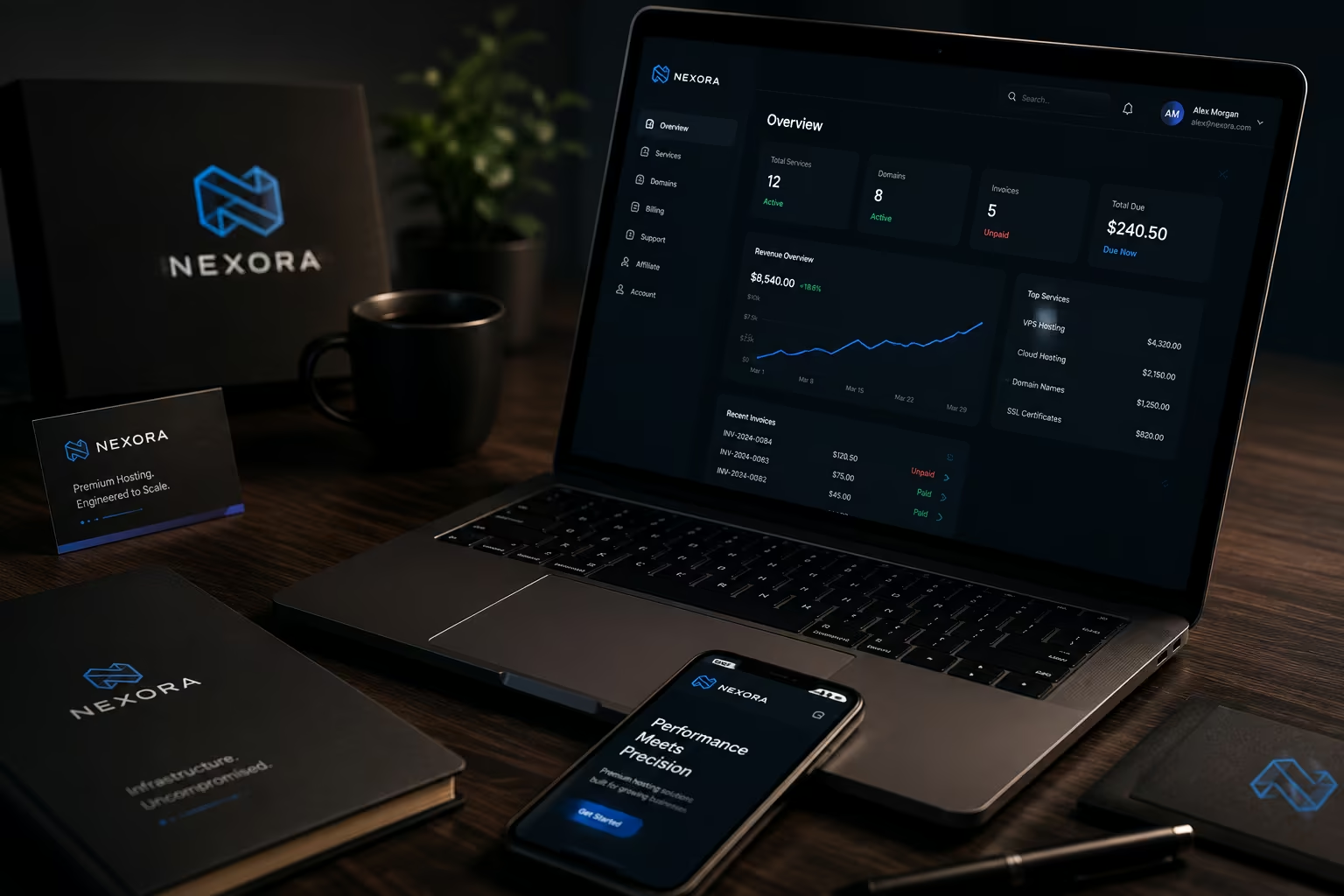
True branding isn’t a logo you slap onto a homepage; it is a unified digital ecosystem. The transition from your marketing pages to your active client area, billing invoices, and support desk should be completely invisible to the end-user.
4. The Financial Reality: Moving Away From the $2.99 Price War
If your brand identity looks identical to a thousand other cheap resellers on digital forums, your only competitive lever left is price.
You find yourself forced to lower your prices to $3.99, then $2.99, then $1.99 a month just to attract sign-ups. This is a fast race to bankruptcy. Low-ticket clients are notoriously high-maintenance. They demand massive amounts of support time for basic configuration issues, and their thin margins cannot support your infrastructure, billing licenses, and advertising costs.
Premium branding unlocks premium pricing tiers.
Consider platforms like Kinsta, Flywheel, or modern cloud managers like Vercel. They don’t sell cheap shared servers. They sell optimized digital environments. A client will happily pay them $35 to $100+ per month for a single website that runs on the exact same cloud compute engine you can lease for $5.
Why? Because their pristine branding, custom-crafted dashboards, and elite presentation remove all perceived risk. They look like the gold standard of stability. When you dress your business like an enterprise utility, you attract clients who have the budget to pay for enterprise reliability.
5. Actionable Steps to De-Cheapen Your Hosting Brand
If you are preparing to launch a new hosting brand or want to clean up an existing operation, you don’t need a multi-million dollar design agency budget. You just need to focus on a few high-impact variables:
-
Establish Design Consistency: Choose a strict palette of three complementary colors and two primary fonts. Stick to them ruthlessly across your marketing site, your social graphics, your email footers, and your invoices.
-
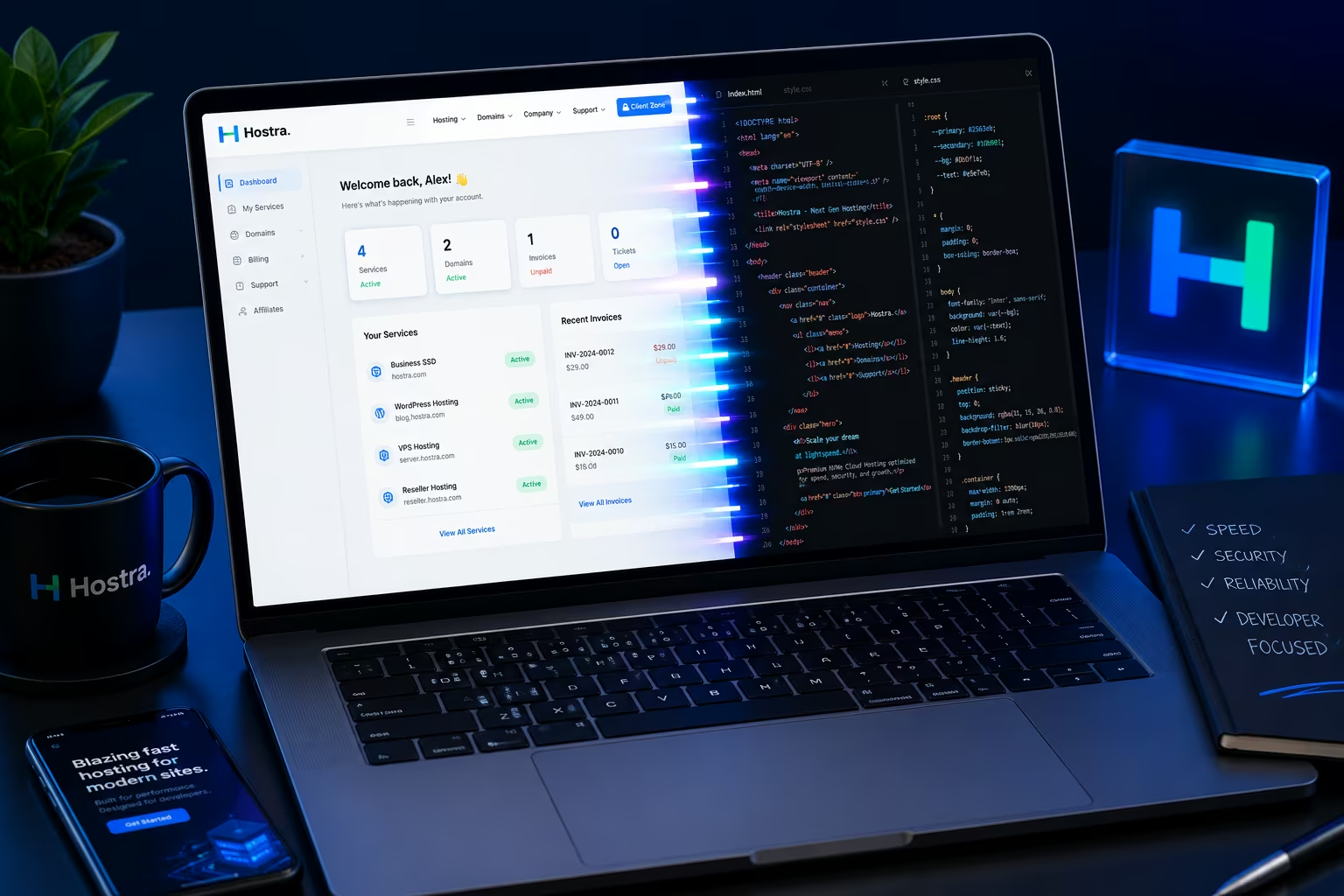
Invest in a Premium UI Toolkit: Do not use default billing templates. Deploy a cohesive, high-performance client portal theme (such as Hostra) that maps your branding flawlessly across your automation modules.
-
Ditch the Corporate Stock Clichés: Remove the pictures of servers you don’t physically own and customer service agents you didn’t hire. Lean instead into clean, minimal, semantic typography and flat HTML web layouts that showcase your actual technical performance.
-
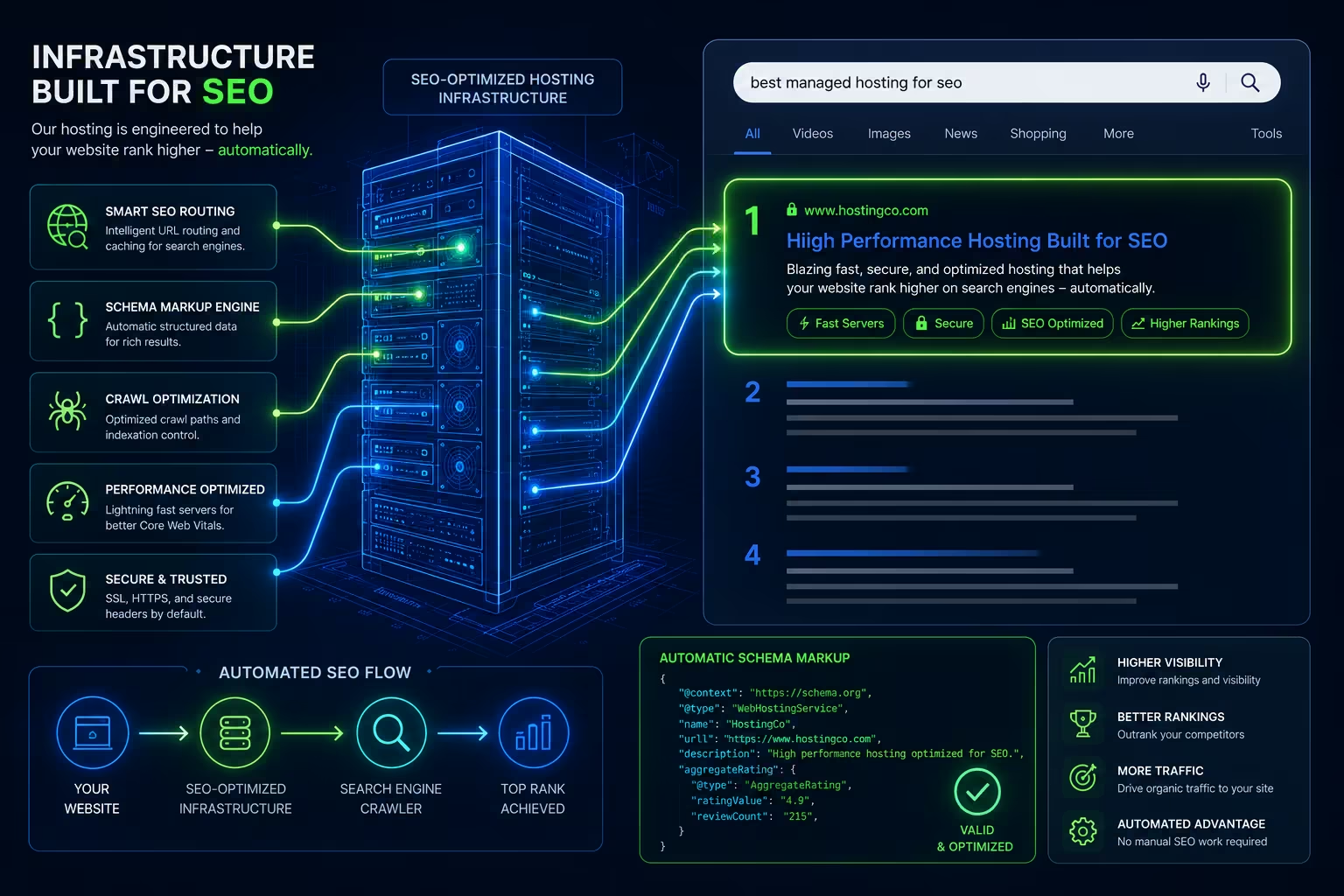
Optimize Your Own Site First: Your website should be a living testament to your hosting quality. If you claim your servers are optimized for speed, your own landing pages must load near-instantly and pass Google’s Core Web Vitals with flawless metrics.
Conclusion: Identity is Part of Your Infrastructure
In the digital asset marketplace, your branding is not an after-thought, a cosmetic layer, or a superficial marketing expense. It is a core component of your technical architecture. It is the visual interface of your business integrity.
When you invest the time to build a cohesive, premium, and distraction-free visual environment for your users, you instantly separate your hosting startup from the ocean of generic resellers. You protect your profit margins, command customer respect, and build long-term equity in a brand that communicates absolute trust from the very first page load.